Find Your Voice
Develop a Compelling Story

If you want to be a champion for ending medical debt, you need a compelling story to share.
We drilled down into what makes an effective narrative about the harms of medical debt and distilled these findings into a single story-arc champions can use to help decision-makers understand why acting on medical debt is so important.
Our Research Modes



Who is your audience?
What power do they have to solve the problem?
The messages in this guide are NOT intended for a patient audience, rather they are intended to support the healthcare workforce in getting comfortable talking about medical debt with a wide range of stakeholders.
Champions for change must contend with multiple audiences, many of whom may have competing ideas as to the most important solution (e.g., a revenue cycle leader might be concerned with easier pathways to financial assistance, while a physician department chair might view lower cost pharmaceuticals as the most important solution for patients)— but the core issue remains the same. There is deep empathy and near universal acknowledgment that medical debt is harmful, unfair, and must be addressed.
As with any messaging exercise, physicians, and front-line healthcare workers should reflect on the audience they are trying to influence.
Build Your Elevator Pitch
Use this tool to create a pitch in 27 words, 9 seconds with 3 main points
Does your organization partner with healthcare clinicians?
Discover our community-based organization resources

Defining Your Audience
It is always valuable to frame your messages so that they connect with your audience.
There is no “general public.” Be specific—every group has different interests, values, and motivations. Adapt your language to meet people where they are.
Consider the following questions when tailoring your story:
- Why should this stakeholder care about medical debt? Where do they fit in the landscape?
- What does this stakeholder value? What is their mission, focus or mandate?
- What are the barriers they face in advancing solutions? How can you acknowledge constraints?

Raise Visibility
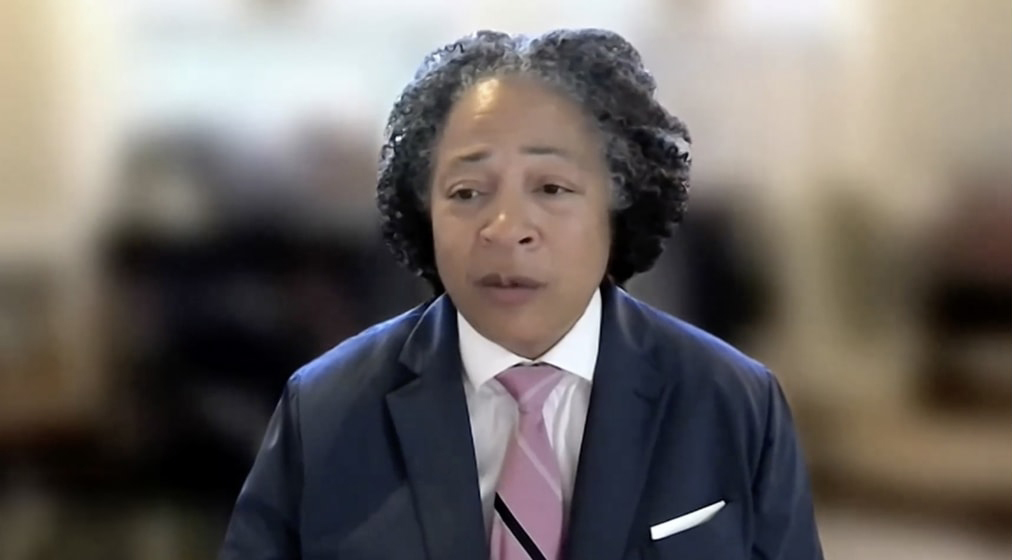
Conversations with colleagues and institutional partners (CFOs, Revenue Cycle leaders, and others in administration), as well as communicating with more public-facing stakeholders (like local and state policymakers, advocates, and other community partners) are great ways to raise visibility about the harms of medical debt.

Adapt Your Language
When pivoting across stakeholders, it is important to reflect on what matters most to those individuals or groups. Shifts in language matter and are often key factors in influencing people’s thinking about medical debt harms and their power to change it.
Journey of a Champion
Explore the Path of Engagement
Awareness
Research the issue, read about the issue in media, ask friends and family about the issue
Clinician Champions Might:
Read About Medical Debt
Endorsing
Sign up for a newsletter or blog, follow the issue on social media, talk about the issue, make a donation
Clinician Champions Might:
Sign up for Key Stakeholder Newsletters
Contributing
Send a letter to a decision maker, submit a letter to the editor, comment on social, bring people to an event, tell your story
Clinician Champions Might:
Letter to the Editor or Social Media Post
Owning
Join a leadership team/steering committee or coalition, meet with decision makers, develop a social presence, author op-eds or blogs, gather stories
Clinician Champions Might:
Write a Blog or Op-Ed
Leading
Lead meetings and drive planning and strategy, train others to own the issue, lead a donation campaign, build a following and become an influencer, work to become a policy change agent
Clinician Champions Might:
Testify to Congress, State Legislature or City Council
Learn More About the Research




Let us know your thoughts
This work was made possible with support from the Robert Wood Johnson Foundation.
The views expressed here do not necessarily reflect the views of the Foundation.