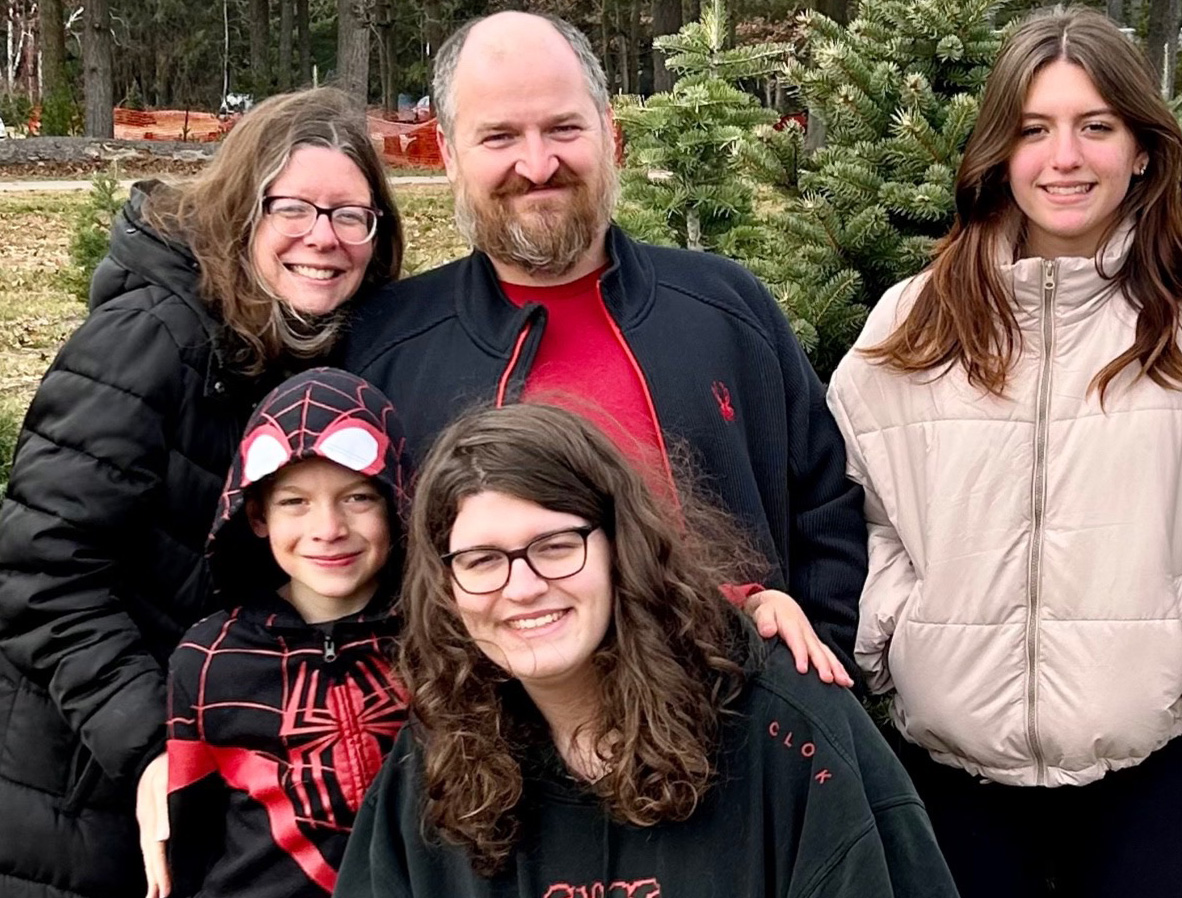

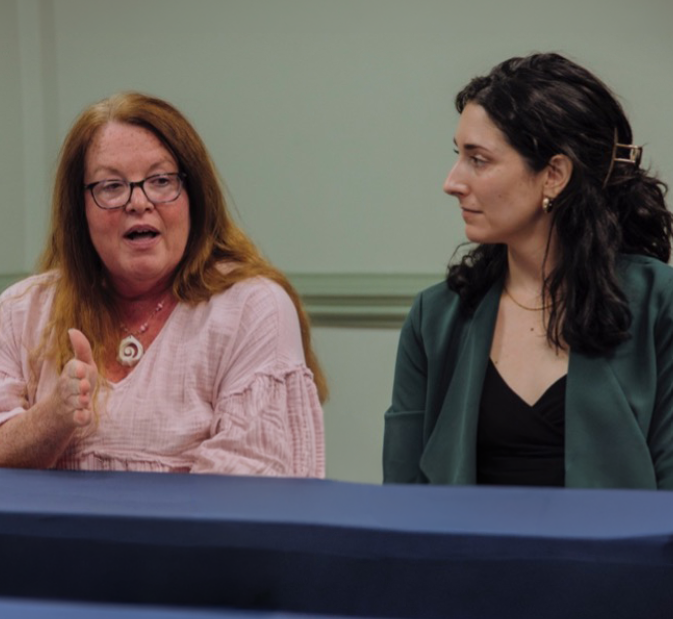
For Marsha, Undue erased $14,664 in burdensome medical debt associated with multiple healthcare needs: three separate child births, a hospital stay resulting from a gallbladder attack and a common injury one of her young children experienced while on the playground. As she described the impact of medical debt relief, she explained the cancelled bills had collectively been part of her life for nearly two decades. “I had to process it — I just won the lottery. […] I was able to restructure some bill payments toward other things.” Her reaction emphasizes patients’ surprise at receiving unsolicted medical debt relief — and the transition into greater financial flexibility and new choices that can follow.
It is important to note that Marsha has never been without employer sponsored insurance, and yet she has had to manage significant out-of-pocket expenses. In this journey, she tries to balance premiums, deductibles and out-of-pocket costs for her entire family. Marsha’s experience reflects the sentiment of an overwhelming number of voters who believe that health insurance coverage is failing people and that healthcare has become unaffordable.
Often, medical debt is just one financial hardship among many. Reflecting on what had become possible after debt relief, she said, “This extra money is going towards living because everything is so expensive. You know, I’ve got two kids driving. I got one getting ready to go to college. Groceries are astronomical…that’s just money to live off of and put in the holes of living.”
Marsha’s knowledge of public health is uniquely drawn from her experiences as a patient and government worker. Motivated to educate others about the positive impacts of relief, in November Marsha attended a roundtable discussion with North Carolina Governor, Josh Stein, on the issue of medical debt. She shared her experience receiving medical debt relief and offered recommendations for improving health insurance coverage for all patients. Marsha is one of many constituents of our debt relief program choosing to contribute to the public conversation about medical debt, destigmatizing this crisis for others and inspiring policy change.