

Recent polling from Undue Medical Debt, in partnership with PerryUndem, establishes a clear mandate for state legislators. Voters of all political affiliations want their elected officials to act and address the problem of medical debt.
76%
of voters want their state to pass laws that protect them from medical debt.
- Democrats: 91%
- Republicans: 63%
- Independents: 78%
77%
of voters would feel more positive about their state elected officials if they passed laws to protect them from medical debt.
- Democrats: 90%
- Republicans: 66%
- Independents: 78%
75%
of voters would be more likely to vote for state elected officials who passed laws to protect them from medical debt.
- Democrats: 88%
- Republicans: 64%
- Independents: 76%
The medical debt crisis unifies voters. States have an opportunity to mitigate the harms of medical debt while laying the groundwork for systemic and long-term change that reorients our healthcare financing system toward affordable, comprehensive and accessible care. Voters across the political spectrum want action, and state lawmakers have a clear opportunity to respond with policies that have overwhelming public support.
WHAT POLICIES GARNER STRONG SUPPORT?
There is strong, bipartisan support across a range of state policies to address the harms of medical debt. Specifically, voters want their states to:
Limit the interest rate allowed to be charged for medical debt.
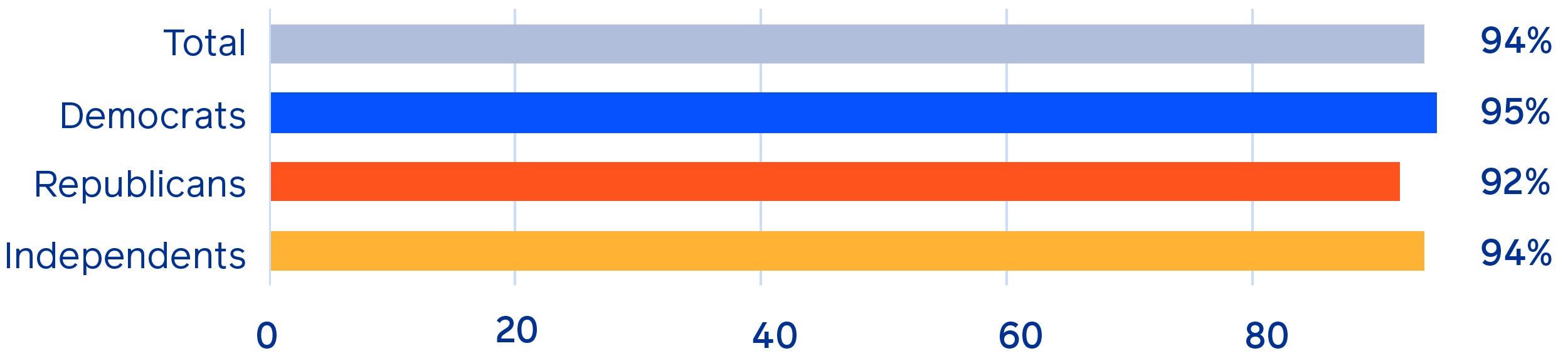
Colorado limits interest rates to 3% and bans it for people eligible for financial assistance. North Dakota limits interest to 1%, not to exceed $25 per month for hospital bills
Limit collection agencies’ ability to take a person’s house, belongings or car(s) due to medical debt.
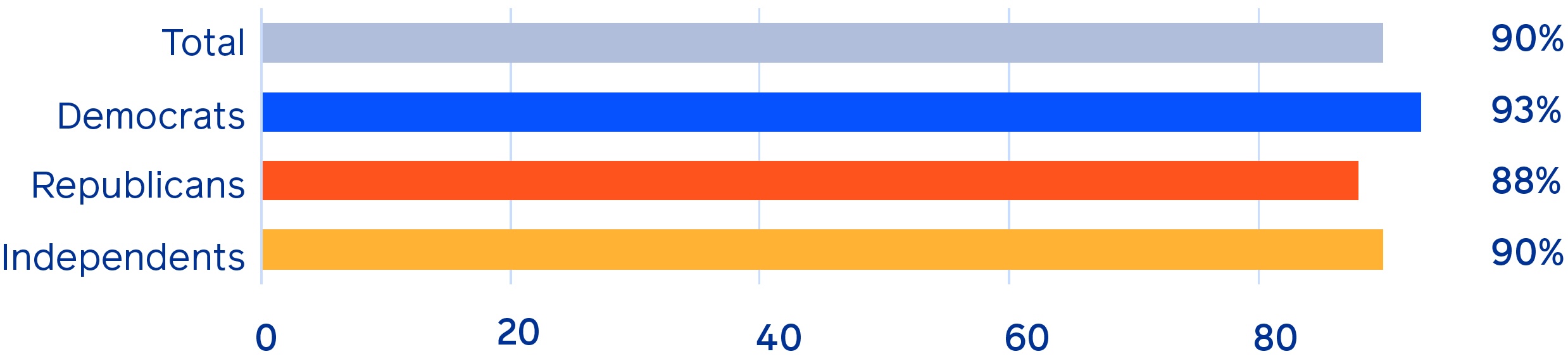
Florida and Texas both have unlimited exemptions for primary homes; Arizona also exempts vehicles and bank accounts. These consumer protection laws focus on protecting people’s primary homes, bank accounts and vehicles.
Require all hospitals to use the same, user-friendly application for financial assistance.
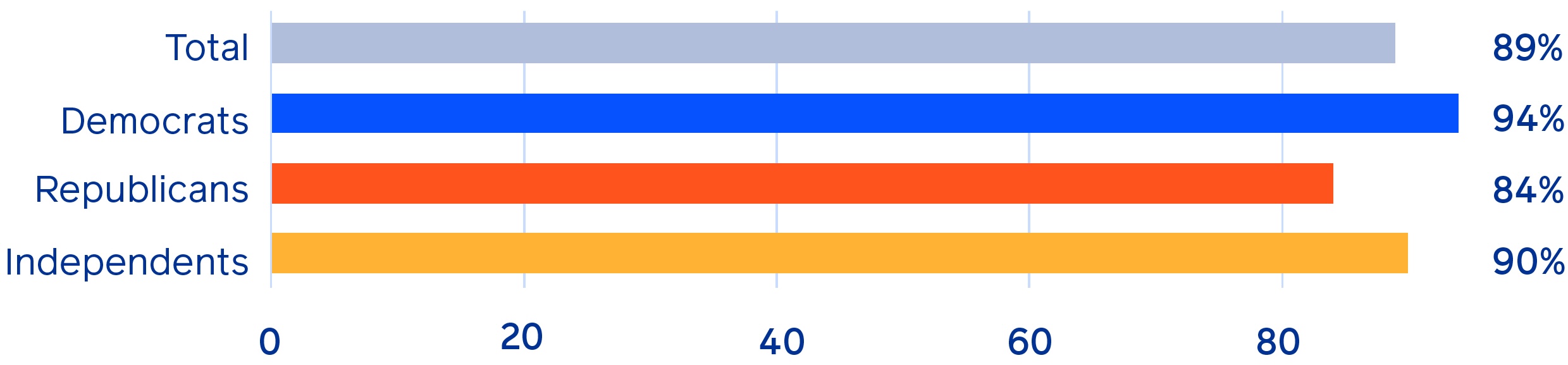
Maryland and New York require a uniform application; however, some states (Illinois, Oregon) create guidance on what can be asked while other states (Ohio) provide a recommended application. Uniform applications allow community groups to support patient navigation.
Help people understand who is suing them for medical debt.
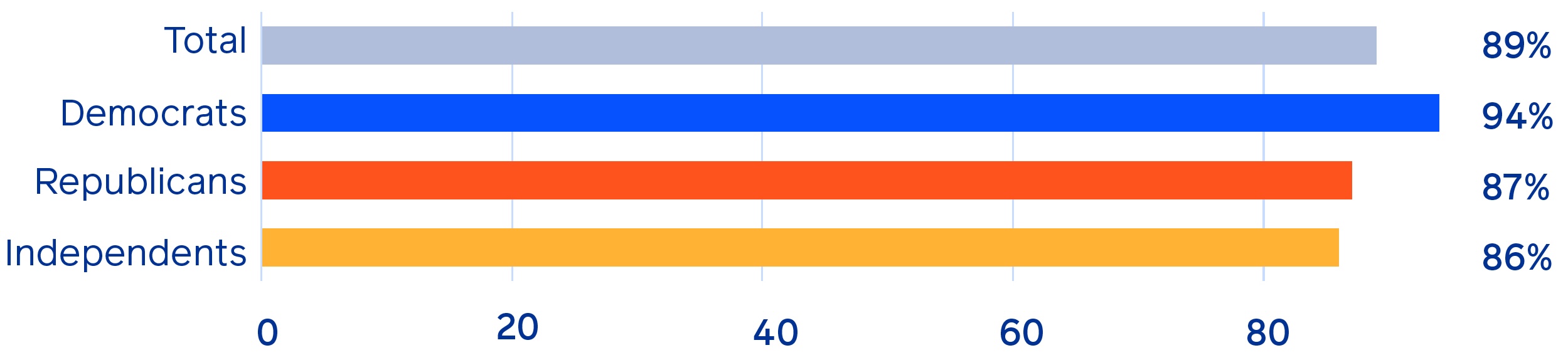
Indiana has strong documentation laws that apply to all debt collection cases. Colorado and Oklahoma also require additional documentation in medical debt lawsuits.
Limit on how much hospitals and insurers can charge for services.
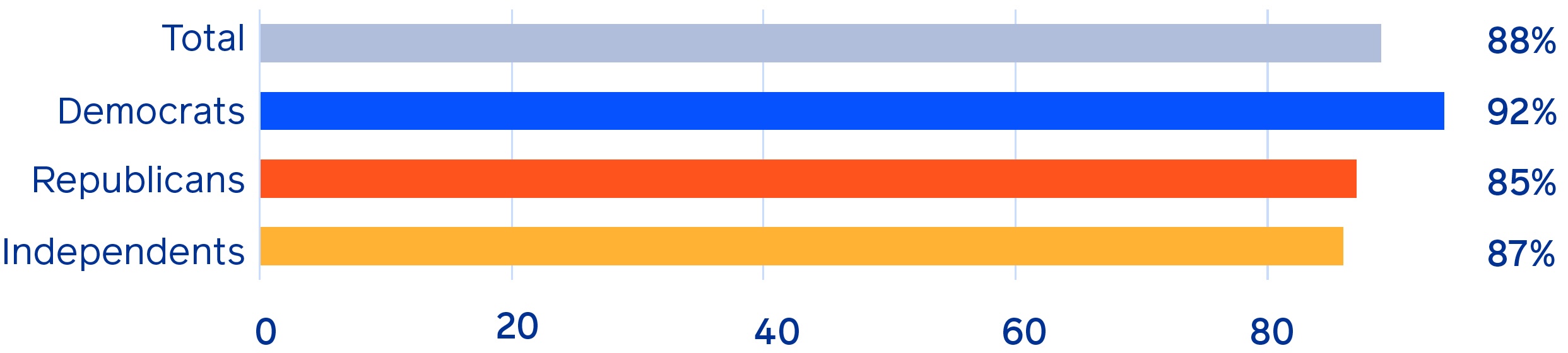
Maryland has long used a global budgeting approach to manage hospital costs, while Oregon and Montana have both leveraged their state employee health plan (SEHP) to establish reference-based pricing approaches.
Ban reporting medical debt on credit reports.
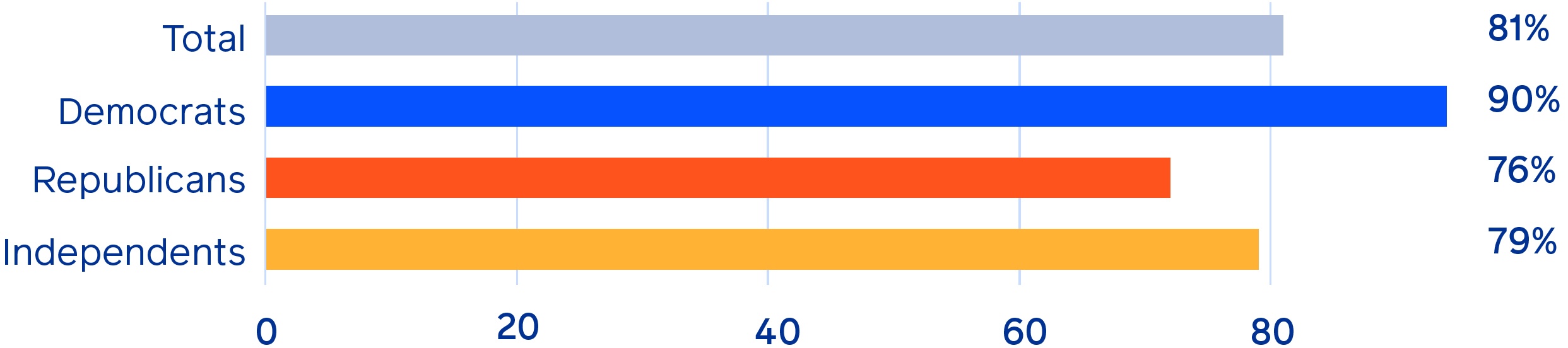
California provides a robust example of a credit reporting ban; other states include Delaware, Vermont and Virginia. See a full map of these bans. 1
WHAT POLICIES DO VOTERS REJECT?
Regardless of political affiliation, 7 in 10 voters agree that healthcare is simply unaffordable. When asked about healthcare stakeholders, voters blame insurance companies for medical debt. While the policy options polled reflect an effort to address the failings of a complex medical billing and debt collection process, they do not fully address the root cause of medical debt — a healthcare financing system that fails to provide voters access to affordable, comprehensive coverage.
Voters are clear about what they do not want:
- Voters reject the idea that health insurance protects people from medical debt. 74% think that health insurance is “mostly failing” in protecting people from medical debt. Being underinsured is commonplace for many Americans.
- Voters, across the board, reject high-deductible health plans as an affordability solution. While these plans can offer lower monthly premiums, they shift financial burden to patients through high levels of cost sharing, sometimes in the thousands of dollars. This is unsustainable for a family living paycheck to paycheck. Most voters have unfavorable views toward high-deductible health plans (70%: Total, Democrats: 76%, Republicans: 67%, Independents: 68%). Only 29% say they would enroll in these types of plans.
- Voters reject a system that anchors their health insurance in their job. Three-quarters (76%) believe that “we need to switch to a different system of health insurance” that doesn’t tie coverage to employment. Majorities of Democrats (85%), Republicans (65%) and Independents (79%) agree. Voters want the freedom to change jobs without fear of medical debt.
CONCLUSION
States are uniquely positioned to help people who are struggling with medical debt, and there are a set of policies that can mitigate harm for patients and their families. These state policy efforts are also a pathway to building bipartisan trust and laying the groundwork for addressing the failures of the healthcare financing system. Voters are clear about the problem and the solutions.
RESOURCES
- Commonwealth Fund. State Protections Against Medical Debt: A Look at Policies Across the U.S. in 2025
- Undue Medical Debt. State Protections on Credit Reporting and Financial Assistance
- The Pew Charitable Trusts. How State Courts Can Help Address America’s Medical Debt Problem
- Consumer Federation of America. Does Your State Allow Medical Bills to Appear on Credit Reports?
- National Consumer Law Center. No Fresh Start: Will States Protect Families from Debt Collectors Seizing Wages and Bank Balances
- The Pew Charitable Trusts. Simple Solutions Can Help States Better Handle Debt Cases
1 An October 2025 non-binding interpretive rule from the Consumer Financial Protection Bureau suggests states may not regulate medical debt on credit reports.